Luang Prabang’s Old Town is one of Southeast Asia’s most atmospheric heritage destinations, where gilded Buddhist temples, French-colonial buildings, traditional markets, and everyday Lao life come together within a compact riverside setting. Positioned between the Mekong and Nam Khan rivers, the historic centre is small enough to explore slowly on foot, rewarding travellers who take time to notice temple courtyards, morning rituals, neighbourhood cafés, artisan shops, and quiet lanes. The town’s UNESCO World Heritage status reflects its distinctive combination of Lao and European architectural traditions. For visitors who want to experience more than sightseeing, the Old Town also provides opportunities to understand local customs, food, craftsmanship, and religion. This is one reason hotels in Luang Prabang offer the best hospitality and local experiences when they connect guests thoughtfully with the surrounding community. AVANI+ Luang Prabang Hotel is one centrally located example, but the real attraction remains the historic town itself.
1. Explore the Temples That Define Luang Prabang’s Character
Temples are central to the identity of Luang Prabang. According to Lonely Planet, the historic centre contains 34 wats, making it possible to encounter Buddhist architecture, monks, and religious traditions throughout an ordinary walk around town.
Condé Nast Traveller captures their importance particularly well, writing: “It is Buddhism that gives Luang Prabang so much of its character.”
Wat Xieng Thong is among the best-known temples and is frequently considered one of the most important religious sites in town. Its sweeping rooflines and detailed mosaics make it an obvious starting point, but visitors should not ignore the smaller temples hidden along quieter streets. Lonely Planet recommends exploring less prominent wats because they can provide more peaceful encounters away from larger groups.
Temple visits are also an opportunity to observe local customs respectfully. Travellers should dress modestly, covering shoulders and legs when entering temple grounds. Early morning and late afternoon can be particularly atmospheric times to explore, when the temperature is cooler and religious life is more visible.
AVANI+ Luang Prabang Hotel is located in the old town surrounded by historic temples, with Wat Mai and Wat Xieng Thong among the cultural attractions accessible from the property. This makes a centrally located hotel useful for travellers who want to explore slowly rather than rushing between sites by vehicle.
2. Experience the Morning and Night Markets
Markets provide another perspective on local life. They are places to encounter ingredients, street food, textiles, handicrafts, and everyday commerce rather than simply tourist attractions.
Travel + Leisure describes one of Luang Prabang’s evening highlights as “browsing the high-energy night market.”
The night market runs through the centre of town and is particularly well known for handmade items and regional crafts. Travellers can browse textiles, bags, artwork, jewellery, souvenirs, and locally produced goods while experiencing a livelier side of the otherwise relaxed Old Town.
Morning markets create a very different atmosphere. They tend to focus more on food and ingredients used by local households, allowing visitors to see herbs, vegetables, fruit, fish, rice products, and other everyday staples. Visiting early also provides a glimpse of Luang Prabang before the main sightseeing day begins.
AVANI+ Luang Prabang Hotel sits directly opposite the night market and describes the markets as only steps from the property. Its central location illustrates why accommodation choice can affect how easily visitors connect with daily life rather than treating the historic district as somewhere reached only during organised tours.
Travellers should approach markets with curiosity but also consideration. Asking before photographing vendors, carrying cash for smaller purchases, and supporting locally produced crafts can make market visits more respectful and meaningful.
3. Observe Local Life and Buddhist Traditions Respectfully
Luang Prabang becomes especially memorable when visitors move beyond monuments and pay attention to the rhythms of everyday life. Early-morning almsgiving, monks walking between temples, residents preparing food, bicycles moving through narrow streets, and families gathering along the river all contribute to the character of the Old Town.
Lonely Planet describes Luang Prabang as “Best for absorbing the rhythm of local life.”
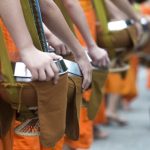
One of the town’s best-known traditions is tak bat, the early-morning almsgiving ritual in which monks receive food offerings. While visitors can observe or participate, it is important to remember that this is a religious practice rather than a performance.
Lonely Planet warns that some heavily visited stretches can become crowded with tourists and recommends learning the appropriate etiquette before taking part. Visitors should avoid blocking the monks’ path, maintain a respectful distance, and limit intrusive photography.
This is where responsible hospitality can be particularly valuable. Hotels that explain local customs can help guests interact with traditions more sensitively. AVANI+ Luang Prabang Hotel, for example, offers an almsgiving experience for paying guests and advises arranging participation through the front desk.
Experiences like these help explain the idea that hotels in Luang Prabang offer the best hospitality and local experiences when their service goes beyond accommodation and helps visitors understand the destination. The strongest experiences are those that encourage participation without disrupting the community practices travellers have come to see.
4. Walk Through a UNESCO Town Shaped by Lao and French Heritage
Part of Luang Prabang’s appeal comes from its unusual architectural character. Traditional Lao houses, monasteries, former royal structures, and colonial-era buildings sit close together throughout the old quarter.
National Geographic describes Luang Prabang as possessing “a rare combination of natural and manmade splendor with rich spiritual and cultural traditions.”
The town was recognised by UNESCO partly because of the distinctive way traditional Lao architecture and European colonial influences developed together. Rather than approaching the Old Town as a sequence of isolated attractions, visitors can appreciate this heritage simply by walking.
The Royal Palace Museum, Mount Phousi, riverside streets, traditional wooden homes, cafés in restored colonial buildings, and Buddhist temples can all form part of the same leisurely route. Condé Nast Traveller notes that Luang Prabang is small enough to explore on foot and combines temples, a former royal palace, and classic French-colonial architecture.
AVANI+ Luang Prabang Hotel itself occupies a site formerly used as French officers’ quarters and later as a local hotel. Its design retains links with the surrounding heritage architecture while introducing contemporary interiors. It is one example of how historic buildings and sites across Luang Prabang have been adapted for modern visitors.
Walking rather than constantly using transport also makes it easier to notice the smaller details that define the town: flowering gardens, old shutters, temple roofs glimpsed between houses, local cafés, artisans at work, and the changing atmosphere beside the Mekong.
5. Slow Down and Enjoy the Rivers, Food and Everyday Pace
Luang Prabang is not a destination that rewards an excessively packed itinerary. Its appeal often emerges between major attractions, during an unplanned café stop, a riverside walk, or an evening spent watching the Mekong.
Lonely Planet says the town’s architecture, temples and everyday scenes “all beseech travelers to slow down and take it in.”
Visitors can sample Lao food, explore local craft traditions, watch sunset beside the Mekong, or spend time at the Traditional Arts and Ethnology Centre learning about the country’s diverse ethnic communities. The old quarter’s walkability makes it easy to leave room for spontaneous discoveries.
The Mekong is only around 100 metres from AVANI+ Luang Prabang Hotel, while Mount Phousi, the National Museum, and night market are roughly a five-minute walk away according to the property. The hotel also offers Mekong sunset cruises, giving travellers another way to experience the surrounding landscape.
However, no particular hotel is essential to enjoying the Old Town. What matters most is staying long enough to experience Luang Prabang beyond its checklist attractions. A few slower days allow visitors to notice how temples, markets, rivers, cuisine, craftsmanship, and religious practices continue to shape ordinary life.
Conclusion
Luang Prabang’s Old Town is best experienced as a living heritage destination rather than simply a collection of monuments. Its temples reveal the importance of Buddhism, its markets introduce visitors to local food and craftsmanship, and its streets illustrate the unusual meeting of Lao and colonial architectural traditions. Early-morning rituals, riverside evenings, and everyday encounters add another layer that cannot be understood through sightseeing alone.
Centrally located properties such as AVANI+ Luang Prabang Hotel can make exploring easier because temples, markets, the Mekong, and major cultural attractions are close at hand. More broadly, the idea that hotels in Luang Prabang offer the best hospitality and local experiences is most convincing when accommodation helps guests connect respectfully with the town around them.
For travellers willing to walk slowly, observe carefully, and approach local customs with respect, Luang Prabang offers something increasingly rare: a historic centre where spiritual traditions, markets, architecture, food, and everyday community life remain closely intertwined.