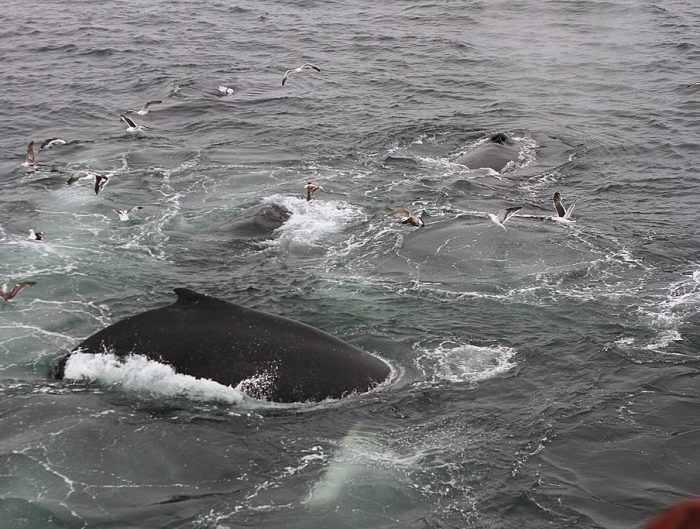
Trincomalee stands as one of the premier locations globally for observing the world’s largest mammals in their natural habitat. Positioned on the northeast coast of Sri Lanka, the deep waters of the Indian Ocean provide a unique underwater canyon system that attracts diverse marine life.
The Seasonal Migration of Blue Whales
From March to September, the waters become a playground for the magnificent blue whale. Unlike other regions where sightings are rare, the geographical shelf near the coast allows these 30-metre titans to feed closer to land. It is a spectacular display of nature’s scale that leaves an indelible mark on every traveller.
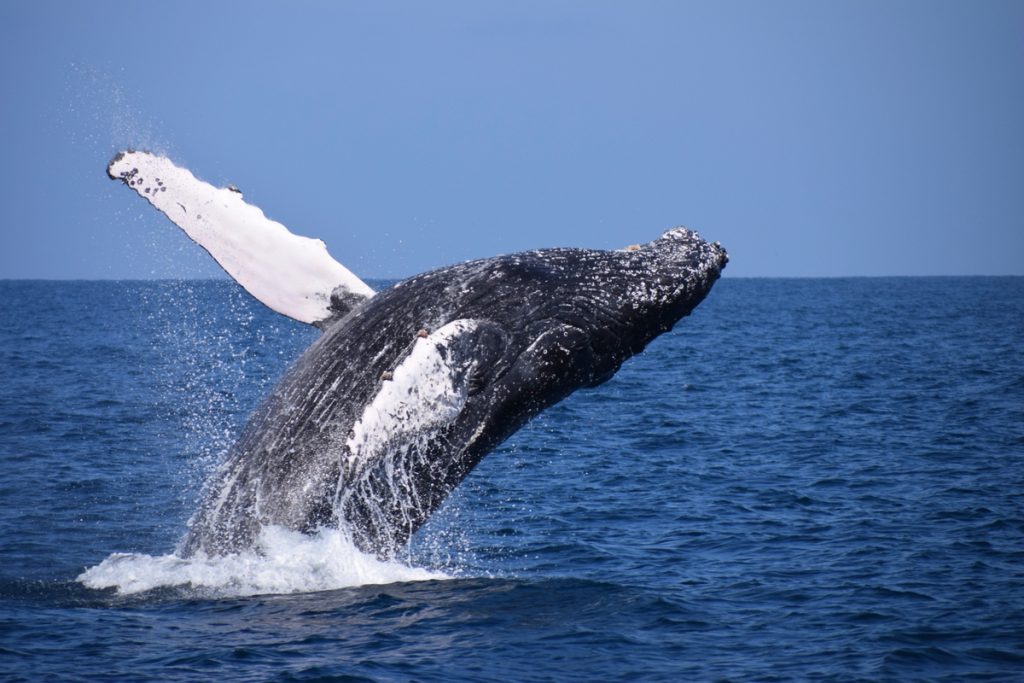
Image via rawpixel
Pods of Resident Sperm Whales
Beyond the elusive blue whale, Trincomalee is famous for its resident sperm whale populations. These deep-diving predators are often spotted in large social units, breaching the surface or displaying their iconic flukes before descending into the abyss. For those staying at Trincomalee hotels, the proximity to the harbour ensures easy access to these morning expeditions.
Playful Super-Pods of Dolphins
The journey to find whales often leads to encounters with thousands of spinner dolphins. These high-energy mammals frequently leap and twirl alongside boats, creating a rhythmic dance against the azure horizon. Choosing a reputable operator, such as the excursion team at Trinco Blu by Cinnamon, ensures that these encounters remain respectful of the marine environment.
A Commitment to Ethical Marine Tourism
Responsible observation is paramount to the preservation of the blue economy in Sri Lanka. Expert guides prioritise keeping a safe distance to ensure the animals remain undisturbed in their migratory paths. This sustainable approach guarantees that the biological integrity of the bay remains intact for future generations of explorers.

You might also like