The monsoon seasons in the Maldives have a major impact on underwater conditions, changing not only water clarity and how deep you can see but also the behaviour of marine life. This article will uncover many reasons why the diving and snorkelling experience in the Maldives might be better at one time of year than another. These reasons include the shifting of the currents, the amount of rainwater, and the number of plankton in the water.
How the Two Monsoon Seasons Affect Visibility
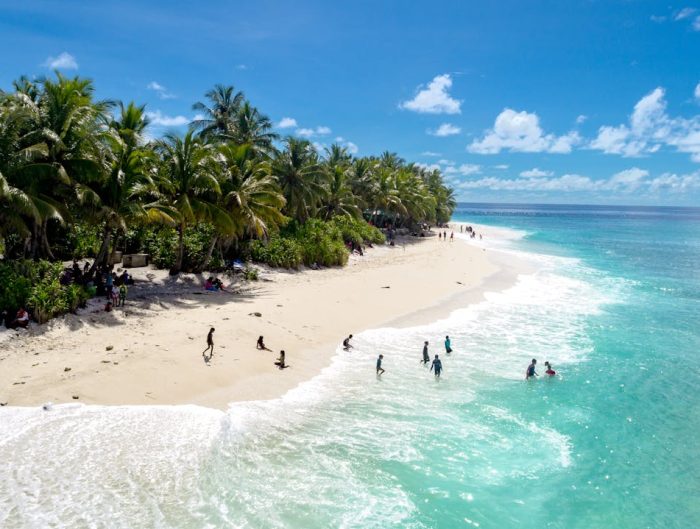
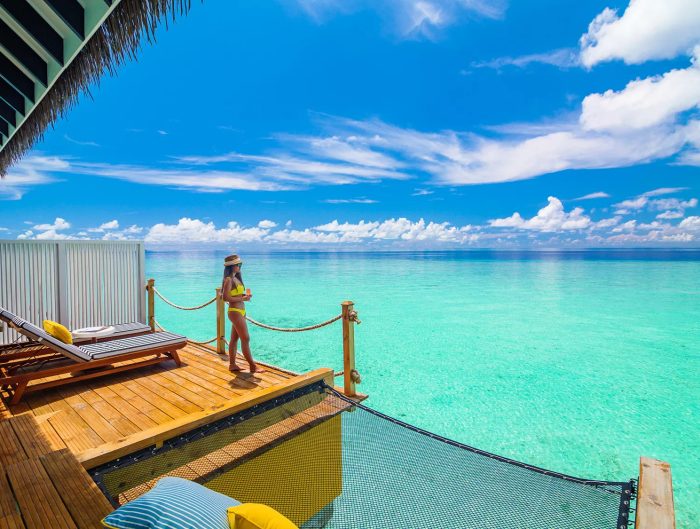
The Maldives experiences two main monsoon seasons, with the dry northeast monsoon generally bringing calmer seas and clearer underwater conditions. During this period, divers and snorkellers can often enjoy better visibility, making it easier to appreciate the colourful reefs. Staying at SAii Lagoon Maldives can also provide a comfortable base for enjoying the surrounding marine experiences.
Choosing the Right Season for Your Underwater Adventure
The best time for diving depends on whether you prioritise calm seas and visibility or unique marine-life encounters. Choosing a beachfront hotel in the Maldives can make it easier to enjoy the ocean while planning activities around the seasonal conditions. The dry season generally offers clearer water, while the wetter months can bring stronger marine activity and opportunities to witness spectacular manta gatherings.
How the Wet Season Changes Marine Life
With the intensification of water movement from the southwest monsoon, plankton are carried across the atolls, which in turn affects the aggregation patterns of marine animals. Sometimes this brings excellent opportunities for watching manta rays, mainly around Baa Atoll, while they are gathering during feeding times.
Whale Sharks Can Be Seen Throughout the Year
Sea conditions do vary greatly between the two monsoon seasons, but there are some wonderful underwater experiences that one can have year-round. South Ari Atoll is very famous for its whale shark encounters, and the whales can be spotted there year-round.