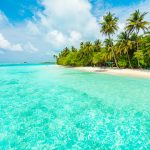
Unlike standard gold coastal stretches formed from crushed quartz, the pristine shorelines of the Maldives owe their brilliant aesthetic to a unique biological process that has unfolded over thousands of years.
The Secret Behind Powdery White Shorelines
The blindingly white sand found across these atolls is composed almost entirely of coral breakdown, primarily produced by parrotfish. Feeding on reef algae, these fish grind down calcium carbonate skeletons and deposit fine mineral granules onto the seabed. Choosing a Maldives private resort gives travellers a front-row seat to these soft, naturally air-conditioned beaches that remain comfortably cool beneath the mid-day tropical sun.
How Coral Rings Create Shallow Lagoons
The nation's calm, aquamarine basins are protected by surrounding ring-shaped coral reefs, known as atolls. These natural barriers absorb deep ocean swells, creating quiet, shallow sanctuaries where sea life thrives in crystal-clear water. Properties like Naladhu Private Island Maldives sit adjacent to these calm channels, where gentle currents continuously flush fresh seawater through the lagoon without disturbing the peaceful surface.
The Magic of Vibrant Turquoise Waters
Sunlight plays a crucial role in giving these shallow waters their signature glowing hue. Because the white seabed reflects sunlight back through the thin water column, red light waves are absorbed, while brilliant blue and green wavelengths bounce straight back to the surface.
A Fragile Ecosystem Worth Preserving
These pristine environments depend entirely on delicate reef health to survive and naturally replenish. Coastal vegetation and healthy coral structures bind the sand together, protecting island shores from natural erosion. Exploring these serene waters responsibly ensures these remarkable landscapes remain untouched for generations to come.