The Seychelles archipelago operates on a dual-monsoon rhythm, making the choice of season a vital factor for travellers chasing specific coastal conditions. Beyond the typical tropical warmth, the islands experience distinct shifts in wind and visibility that dictate the quality of a maritime or land-based retreat.
The Sweet Spot: April and October
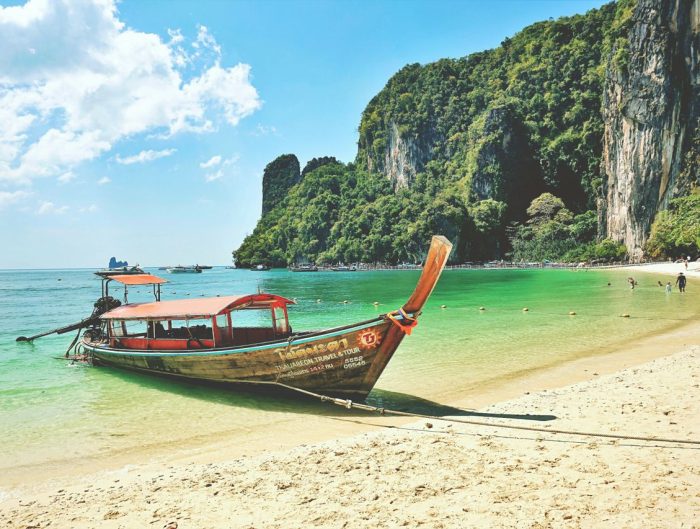
These “shoulder” months represent the golden window. As the trade winds shift between the southeast and northwest monsoons, the air stills, creating a glass-like ocean surface. This transition period is the definitive time for those seeking crystalline clarity for snorkelling or calm boat crossings between the inner islands.
Mastering the Sun-Drenched Silhouette
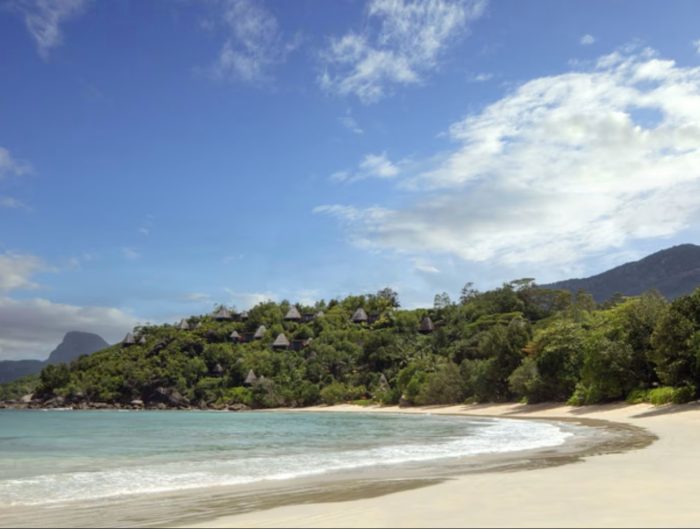
For pure, unadulterated sunshine, the period from May to September offers the lowest rainfall. The light is exceptionally crisp, illuminating lush jungles without the heavy humidity of the peak summer. It is an ideal climate for exploring hidden coves or appreciating the biophilic design of premier Seychelles resorts that integrate seamlessly into the coastal cliffs.
Secluded Sanctuary Living
A villa holiday thrives on privacy and the blurring of indoor-outdoor boundaries. Choosing a period with minimal wind ensures that private infinity pools remain undisturbed mirrors. Properties like Anantara Maia Seychelles Villas serve as a prime example of how calm conditions allow for “beyond all-inclusive” outdoor dining and garden-based wellness treatments to remain uninterrupted by the elements.
The Gentle Monsoon Shift
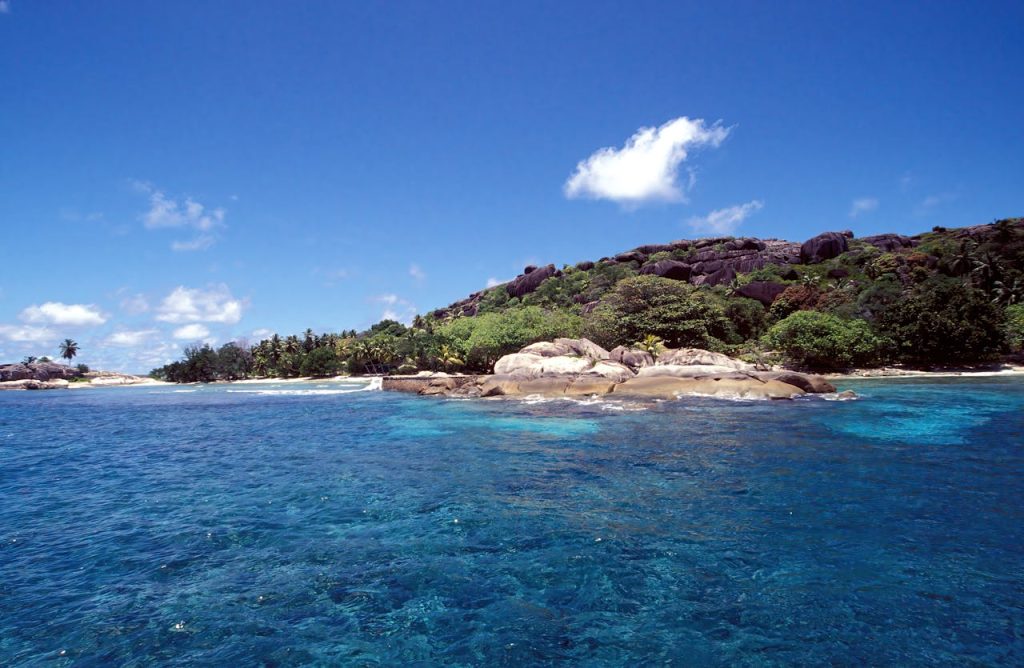
Image by pexels
While the northwest monsoon brings more moisture from December to February, rain is often a brief, theatrical event followed by brilliant light. However, prioritising the calm transitions ensures days are defined by gentle tides rather than crashing surf, making even the most remote beaches accessible for swimming.